Types of Tamper-Evident Packaging That Protect Medicines from Risk and Interference
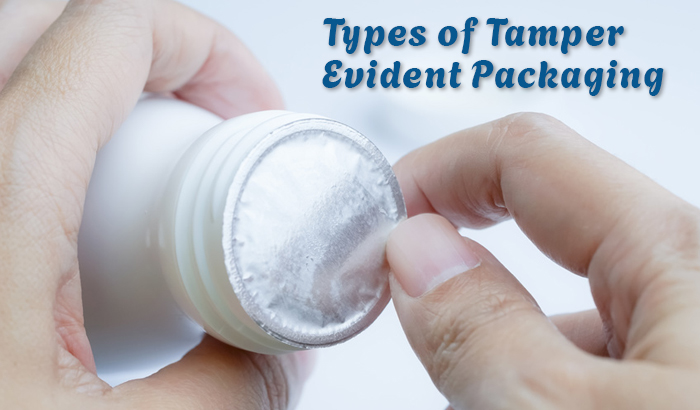
One of those things we frequently take for granted is medication safety (until something goes wrong). Even a minor breach might pose major dangers in the pharmaceutical industry. For this reason, contemporary tamper-evident packaging is a front-line protector of public health rather than merely a "nice-to-have."
Packaging has evolved into a smart security system that shields medications from bacteria, counterfeiting, and illegal use in pharmacies and hospitals. In particular, tamper-evident packaging actively safeguards it using structural, physical, and visible security elements. Yes, they carry out the labor-intensive work behind the scenes, ensuring that medications are reliable, safe, and sealed.
The Significance of Tamper-Evident Packaging
The true goal of all these packaging techniques is trust, which goes beyond design and materials. After all, a person is putting their belief in a medication when they take it. Tamper-evident systems ensure that trust is maintained. Every characteristic conveys the same message: "This medication is exactly as it left the manufacturer," whether it's a blister pack snapping smoothly, a shrink band ripping on a bottle, or a sachet not wanting to be resealed.
The industry has changed since the Tylenol crisis in 1982 to make sure that consumers are informed right away if a medication has been tampered with, altered, or compromised.
Most Commonly Used Tamper-Evident Packaging | 04 Types
The four popular and very successful forms of packaging that stop medication tampering are listed below, along with an explanation of how they function and why they are important.
1. Blister Packs (Foil–Plastic Blister Packaging)
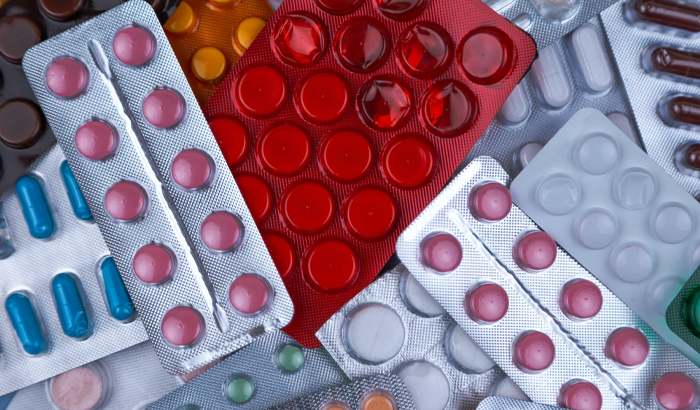
Blister packs continue to be the industry standard because they combine robust, integrated security with ease of use.
One of the most well-known pharmaceutical packaging types in the world is the blister pack. Each tablet or capsule is held separately in a molded plastic cavity that is covered with foil. Because each dose is kept apart in a sealed compartment, even if one unit is taken out, the remaining medication is unaffected. The risk of contamination is greatly decreased by this construction alone. The tamper-evident foil closure of blister packing, however, is its true strength.
The foil cannot revert to its initial condition after it has been peeled or perforated. Tampering is immediately apparent since any attempt to reach the medication causes evident damage. This guarantees transparency from the manufacturer to the pharmacist to the patient.
Variations Available:
- A controlled push-and-peel mechanism is necessary for the child-resistant blister cards used by several pharmaceutical businesses. This keeps things manageable for adults while making it challenging for kids to consume drugs unintentionally.
- Multi-layer strip packs, in which pills are packed in continuous strips with extra protective layers, are another innovative alternative. These layers improve resistance to physical interference, water, and air.
02. Tamper-Evident Sealed Bottles (Induction Seals and Shrink Bands)
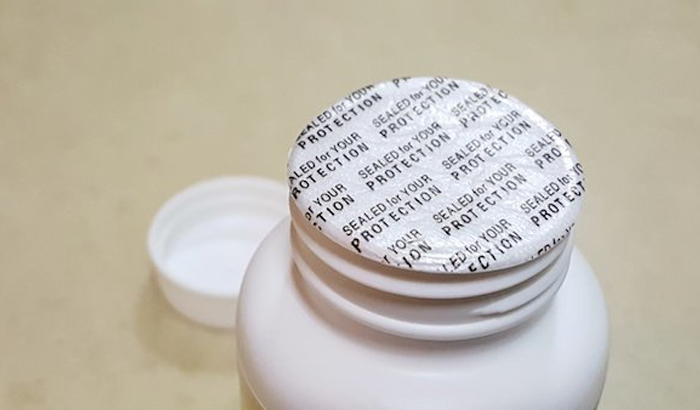
Tamper-evident bottles act as a “trust checkpoint” between the manufacturer and the end user.
Have you ever removed a cap to discover a disk of white or silver foil adhered securely to the bottle's rim? It's an induction seal. A liner is attached to the container's lip using electromagnetic induction. In order to maintain product integrity, medicine bottles (which are frequently used for capsules, syrups, and supplements) often depend on dual protection mechanisms.
- The induction seal, a foil liner positioned behind the bottle top, is the first layer. An airtight barrier is created during manufacture by heat-sealing it to the container entrance. This seal must shatter when the bottle is opened for the first time, making any previous openings instantly noticeable.
- The shrink band, a plastic sleeve that encircles the bottle neck and cap, is the second layer. The band will irrevocably shred or distort when a person tries to twist open the bottle.
When combined, these characteristics produce a solid tamper-evident system that is very challenging to circumvent without leaving obvious traces.
Break Off Closure:
Bottles may also be used in conjunction with tamper-evident ampoules and vials with break-off closures. To ensure that the medication has never been accessed before usage, the top of these glass vials must be snapped open.
Best Use:
This technique, along with tamper-evident ampoules and vials with break-off caps, is particularly crucial for sensitive formulations and liquid medications, where contamination control is crucial.
Read More: Primary vs Secondary Packaging: What’s the Real Difference?
03. Blister-Wrapped and Overwrapped Medicine Boxes
Blister-wrapped cartons act like a “sealed envelope inside a locked box,” offering maximum assurance.
Beyond the primary packaging, some pharmaceutical items need an additional layer of security. Overwrapped and blister-wrapped medication boxes are useful in this situation. Here, the medication (often bottles or blister packs) is initially put inside a carton box. After that, a clear plastic overwrap film is used to seal the entire box.
As a result, a two-layer structure is produced:
- The medication itself is protected by the inner package.
- The product's integrity is safeguarded by the outer display box.
The outer wrap splits or is clearly torn as soon as someone tries to open the package or tamper with it. This damage cannot be concealed or repaired, in contrast to resealable packaging.
Tip: For outer packaging, rigid material is recommended as it is firm, resilient, long-lasting, and equally luxurious-looking.
Best Use:
High-value medications, export pharmaceuticals, and items requiring stringent supply chain control usually use this kind of packaging.
Furthermore, a lot of these boxes are made to hold pre-filled syringes with safety caps, particularly for usage in clinical or hospital settings. To guarantee they stay untouched until use, these syringes undergo sterilization and are sealed.
04. Unit-Dose Sachets and Pouch Packaging
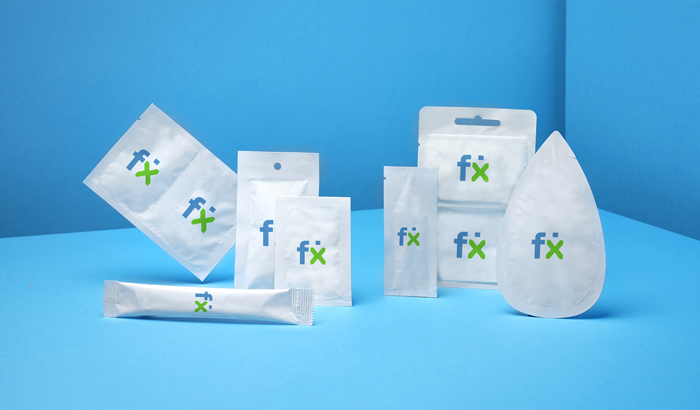
Unit-dose packaging is especially valuable in clinical environments where precise administration is critical.
One of the most accurate and user-friendly pharmaceutical packaging systems is unit-dose sachets. A single, separately sealed, pre-measured dose of medication is contained in each sachet. Any effort at tampering is quickly exposed because the sachet cannot be sealed again once it has been opened. Second comes the mylar bags or pouch. Because of the strong bond formed by the heat-sealed edges, any unauthorized opening is readily apparent.
Best Use:
Powders, oral suspensions, antibiotics, and travel-friendly drugs are regularly packaged in this manner.
Bonus: You can also make use of zip lock paper bags to keep supplements, therapeutic herbs, and medicinal cannabis products.
Final Thoughts
A distinct level of security and control is added by each of the four forms of packaging: blister packs, tamper-evident bottles, overwrapped cartons, and unit-dose sachets. They build a powerful defense system that protects medications against misuse and guarantees the security of public health.
Advice? When you purchase medicine, always check the box for a description of the safety features.
There is no place for compromise when it comes to healthcare and pharmaceutical packaging. We Print Your Box is aware that your packaging must provide protection in addition to a polished appearance and offers the most advanced custom box packaging with cutting-edge tamper-evident features. We make sure your products stay safe from the manufacturing line to the patient's cabinet.
Recent Posts:
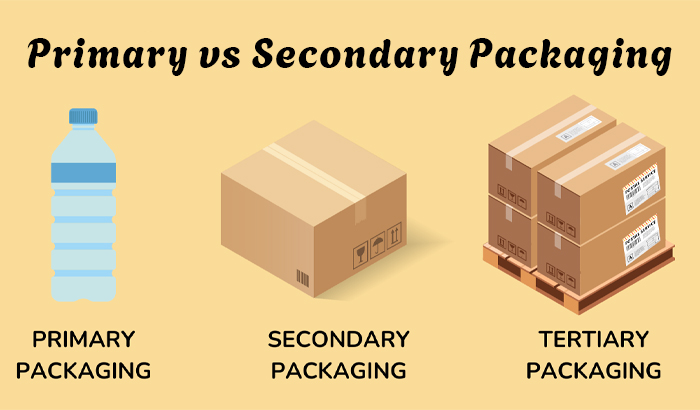
Primary vs Secondary Packaging: What’s the Real Difference?
Packaging is everywhere! It wraps delicate goods during transportation, sits on grocery store shelve...
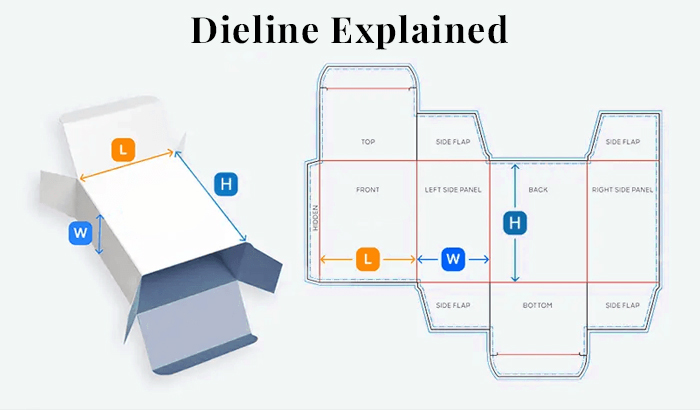
Dieline Explained: The Backbone of Smart Packaging Design
If packaging were a building, the dieline would be its blueprint. Dielines are invisible to custo...
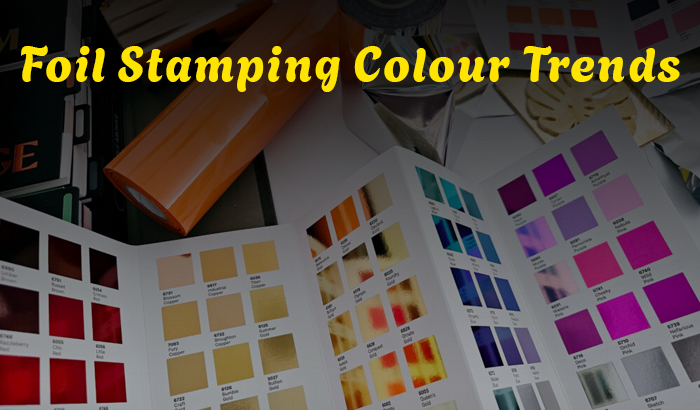
13 Foil Stamping Colour Trends: Gold, Silver, Holographic & More
Packaging is now more than simply a cover for your goods; it's the world's first glimpse of your bra...