Primary vs Secondary Packaging: What’s the Real Difference?
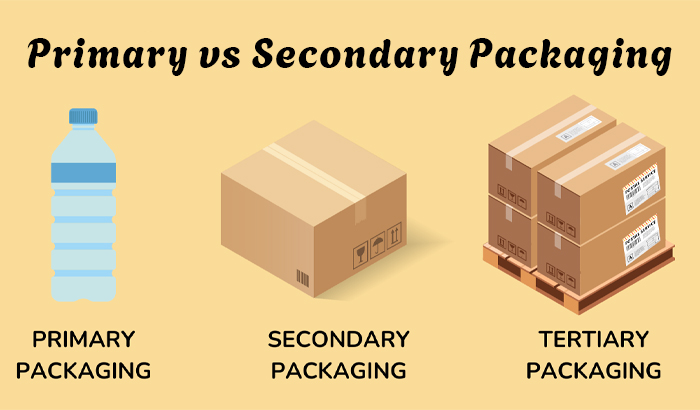
Packaging is everywhere! It wraps delicate goods during transportation, sits on grocery store shelves, arrives at your door, and subtly influences consumers' purchases without a word being spoken. A point that most companies disregard, though, is that not every packaging serves the same purpose. Some products are directly protected by their packaging! Some packaging is made to dazzle customers, facilitate storage, or improve shipment! That’s where the debate of primary packaging vs secondary packaging enters the conversation.
In addition to providing you with actual examples, advantages, applications, and useful insights that businesses actually use in the real world, this guide deconstructs the entire packaging hierarchy.
So get a cup of coffee, open your mind, and let's decipher packaging!
Packaging Hierarchy Explained
It's crucial to fully understand how packaging functions as a whole system before contrasting primary and secondary packaging.
| Packaging Level | Main Purpose | Example |
| Primary Packaging | Direct product protection | Bottle, pouch, wrapper |
| Secondary Packaging | Grouping & branding | Box, carton, retail pack |
| Tertiary Packaging | Shipping & logistics | Pallets, shipping cartons |
In simpler words…The VIP is your product! The costume is the primary packaging! The presentation box is secondary packaging! The guarded delivery truck is tertiary packing!
What Is Primary Packaging?
The packaging that comes into close contact with the product is known as primary packaging. In truth, it serves as the product's initial layer of protection. Most products would lose their freshness, leak, deteriorate, break, or get contaminated without it. Every day, you come into interaction with primary packaging, frequently without even realizing it.
Some common examples include:
- Water bottles
- Toothpaste tubes
- Coffee pouches
- Chocolate wrappers
- Medicine blister packs
- Glass perfume bottles
- Lip balm tubes
- Yogurt containers
- Shampoo bottles
- Zip-lock paper bags
- Cosmetic jars
- Beverage cans
Top 3 Functions of Primary Packaging
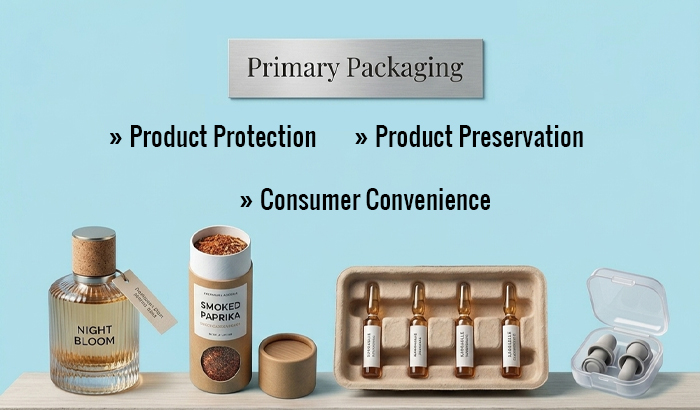
Primary packaging does much more than only "hold" a product. It functions as a multifunctional powerhouse that simultaneously markets, protects, and enriches the overall buying experience. In today's businesses, primary packaging is necessary for everything from protecting goods during transportation to influencing consumer choices on congested shelves.
Let's take a closer look at the main purposes of primary packaging.
1. Product Protection
Before being used, products pass through transport trucks, retail shelves, warehouses, and consumer hands. They encounter numerous hazards along the way that could harm their appearance and quality. Protection from typical risks such as moisture, oxygen, heat, sunshine, dust, and physical impact is the main purpose of primary packaging. The objective is to keep the goods safe and unspoiled, whether it's in a rigid container, blister pack, sealed bag, or robust bottle.
Safety is of paramount importance for appliances, food, pharmaceuticals, and cosmetics. Imagine opening a cookie box and noticing crumbs all over the place due to a flimsy pouch. Disappointing right away, huh?
Solid primary packing aids in preventing:
- Contamination
- Leakage
- Breakage
- Spoilage
- Crushing
- Tampering
2. Product Preservation
Certain items are very susceptible to exposure to the environment. Performance, freshness, and shelf life can be diminished by even minute amounts of air, moisture, or sunlight. For instance, medications can become unstable in humid conditions, while coffee rapidly loses its aroma when exposed to oxygen.
To prevent the aforementioned problems, companies prioritize modern, preservation-focused packaging solutions, including the following:
- Vacuum sealing
- Foil barriers
- UV-resistant containers
- Impenetrable seals
- Airtight lids
- Films resistant to moisture
From production to final usage, good primary packaging (especially mylar bags) contributes to the preservation of the quality of the product. It greatly increases shelf life while maintaining freshness, flavor, texture, AND efficacy. Put simply, packaging that prioritizes preservation will keep goods "factory fresh" for extended periods of time.
3. Consumer Convenience
Nobody enjoys having to deal with difficult-to-open containers, sloppy spilling, or stuck lids, especially on hectic mornings. Convenience, therefore, came out as a key role for primary packaging. Innovative packaging designs increase usability and provide a smoother experience.
Popular convenience features include:
- Resealable zippers
- Pump dispensers
- Easy-pour caps
- Dropper bottles
- Squeeze tubes
- Single-use sachets
- Flip-top lids
- Travel-friendly packs
Although these features might not seem much, they have a big influence on customer satisfaction.
What Is Secondary Packaging?
The outer layer that unites one or more primary packages is known as secondary packaging. It typically doesn't come into direct contact with the product. Rather, it concentrates on:
- Branding
- Product structure
- Support for transportation
- Retail display
- Presentation of the shelf
When customers go shopping, they notice this display box first (for example, cereal boxes, perfume gift boxes, cosmetic subscription boxes, chocolate assortment boxes, corrugated shipping kits, etc.). And yes, this is where brands flex their creativity!
Top 3 Functions of Secondary Packaging
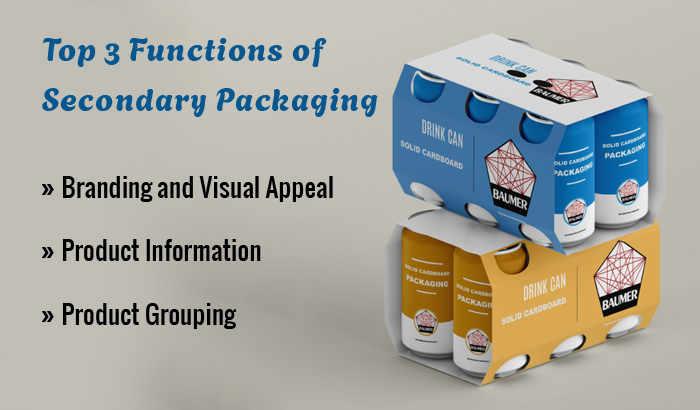
In the packaging industry, secondary packaging is essentially the multitasking genius. Eye-catching retail boxes simultaneously organize, secure, market, and streamline handling.
1. Branding and Visual Appeal
Customers interact with the box before they do with the product itself. Brands often have just a few seconds to grab consumers' attention in retail settings full of rival products. Visual attraction becomes powerful at that point!
Brands use creative packaging elements such as:
- Exquisite finishes
- Embossing and debossing
- Hot stamping/Metallic foiling
- Minimalist layouts
- Dynamic designs
- Luxury textures
Whether it's luxury, sustainability, or novelty, these design decisions instantly convey feelings and brand identity.
Do you need an example? High class might be suggested by a sleek cosmetic bottle. Eco-friendliness could be indicated with a kraft paper pouch. Bright snack packaging often inspires enthusiasm and vigor.
2. Product Information
Secondary packaging serves as a customer information hub. It offers crucial information that aids consumers in understanding, trusting, and using the product correctly.
Important details that are frequently shown include:
- Ingredients
- Usage instructions
- Safety warnings
- Nutritional facts
- Expiry dates
- Storage instructions
- QR codes
- Certifications
- Brand story
This information improves transparency while helping customers make informed purchasing decisions. For regulated industries like food, cigarette boxes, pharmaceuticals, and healthcare, proper labeling is also required. Missing or unclear information can damage customer trust and even create compliance issues.
3. Product Grouping
Secondary packaging optimizes inventory control and efficiency in storage by grouping products for simpler handling. Examples include:
- Six-pack beverage cartons/bottle packaging
- Snack variety packs
- Cosmetic kits
- Bulk retail packaging
Difference Between Primary and Secondary Packaging
Now let’s simplify the comparison properly.
| Feature | Primary Packaging | Secondary Packaging |
| Direct Product Contact | Yes | No |
| Main Purpose | Product protection | Grouping & presentation |
| Consumer Interaction | Daily use | Usually removed |
| Branding Role | Immediate identity | Larger storytelling |
| Protection Level | Product-level protection | Added handling protection |
| Examples | Bottles, wrappers, jars | Boxes, cartons, kits |
Sustainable Packaging Is Reshaping the Industry
Consumers today are much more conscious of the environment and actively support companies that utilize eco-friendly materials and minimize waste. Because of this, companies are quickly adopting far smarter and environmentally friendly product boxes.
Businesses now prefer:
- Recyclable paperboard
- Compostable mailers
- Biodegradable films
- Soy-based inks
- FSC-certified materials
Minimal display packaging structures that utilize fewer resources without sacrificing product safety or presentation are becoming more and more popular among businesses.
These eco-friendly decisions limit needless plastic consumption, cut carbon footprints, and lessen landfill garbage. Simultaneously, they strengthen brand perception and foster consumer confidence. Nowadays, a lot of consumers link eco-friendly packaging to innovation, quality, and responsibility.
Final Thoughts
Building products that are not only secure but also distinctive and marketable requires an understanding of the difference between main and secondary packaging. Remember, products travel safer, appear more attractive, and sell more effectively when both packaging layers function well together.
We Print Your Box offers comprehensive packaging solutions suited to your company's objectives, from strong primary packaging that preserves product freshness and quality to striking secondary packaging that increases shelf appeal. To help your items stand out in crowded markets, our team offers premium materials, cutting-edge printing, luxury finishes, unique sizing, and countless customization choices.
Recent Posts:
Types of Tamper-Evident Packaging That Protect Medicines from Risk and Interference
One of those things we frequently take for granted is medication safety (until something goes wrong)...
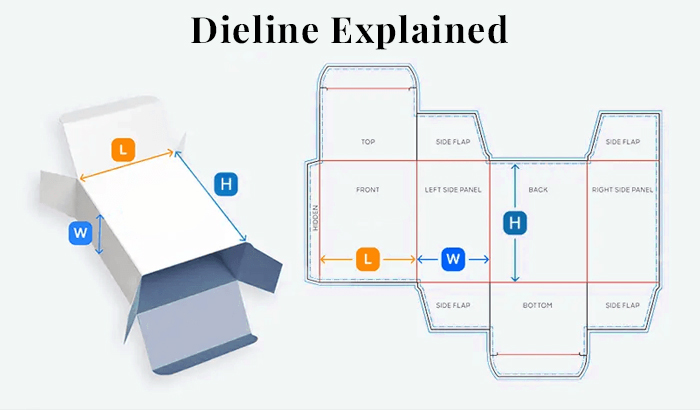
Dieline Explained: The Backbone of Smart Packaging Design
If packaging were a building, the dieline would be its blueprint. Dielines are invisible to custo...
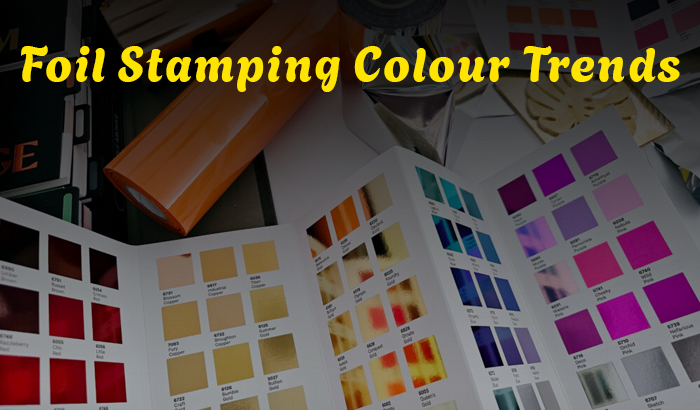
13 Foil Stamping Colour Trends: Gold, Silver, Holographic & More
Packaging is now more than simply a cover for your goods; it's the world's first glimpse of your bra...